
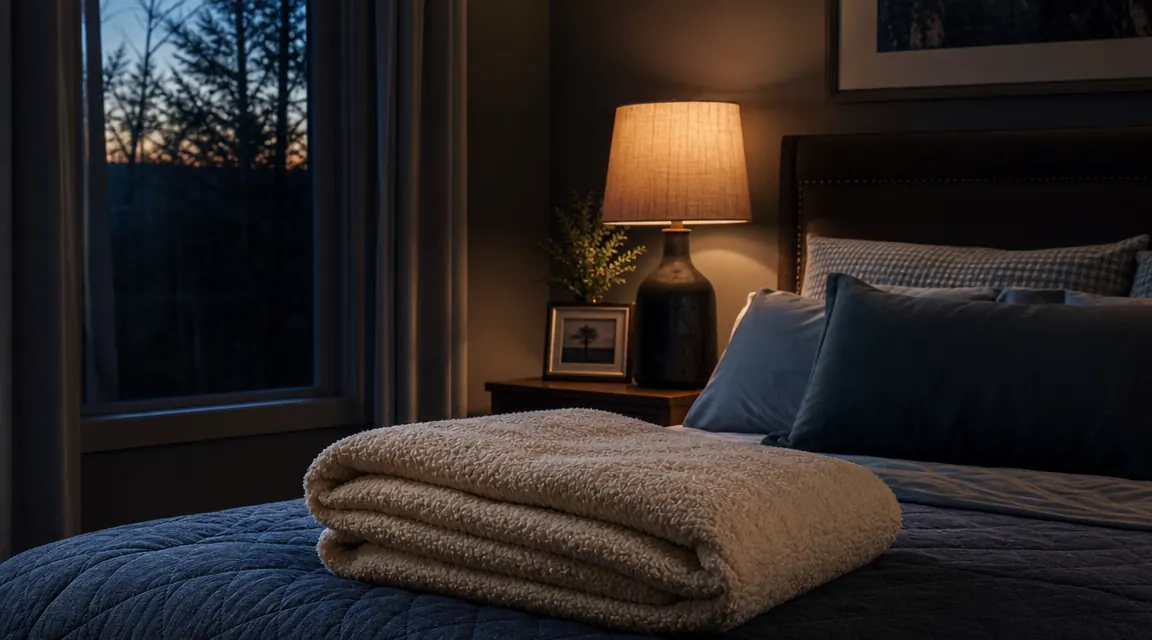
I kept a note on my phone for a while. Every morning I'd add the time I woke up during the night: 2:04am, 2:51am, 1:47am. After about six weeks I stopped logging because the pattern was too depressing. It was always between 1:30 and 3am, always wide awake, always with a low-grade sense of dread that I couldn't name. My mind would start cataloging everything I hadn't done yet. Every overdue email, every conversation that hadn't gone well. By the time I got back to sleep it was close to 4am, and the alarm was at 6:15. What finally changed it was not a pill or an app. It was a weighted blanket, the Cottonblue 15-pound sherpa one I almost did not buy.
This had been going on for three years. My daughter was two when it started, so I chalked it up to new-parent sleep debt. Then she turned four and slept through the night reliably, and I still didn't. I went to my doctor. She ran a sleep panel, checked my cortisol levels, suggested I try a CBT-I workbook. I did the workbook. It helped a little, and then it didn't. I tried magnesium glycinate, a white noise machine, blackout curtains, no screens after 9pm, a 68-degree thermostat setting. Each thing worked for maybe a week before the 2am wake-ups came back.

A colleague mentioned she'd started using a weighted blanket and was sleeping better. I'd heard about weighted blankets for years, mostly in the context of sensory processing issues in children. The supposed mechanism is something called deep pressure stimulation, the same reason swaddling calms a newborn. The weight activates the parasympathetic nervous system, reduces cortisol, raises serotonin. I'd read about it and dismissed it as probably nice but not the thing I needed. I was convinced my problem was something more complex. It probably wasn't.
I ordered the Cottonblue 15-pound weighted blanket on a Thursday. It came on Saturday. I weigh around 135 pounds, so 15 pounds is on the upper end of the standard 10 percent of body weight guideline, but I'd read that anxious sleepers often do better with a little more pressure. The blanket is sherpa on one side, a softer minky fabric on the other. It's heavier than you expect when you pick it up. I remember thinking it felt serious, in a reassuring way.
I remember lying there waiting for the feeling that something was wrong. It didn't come. My shoulders dropped. That's the only way I can describe it: my shoulders just dropped.
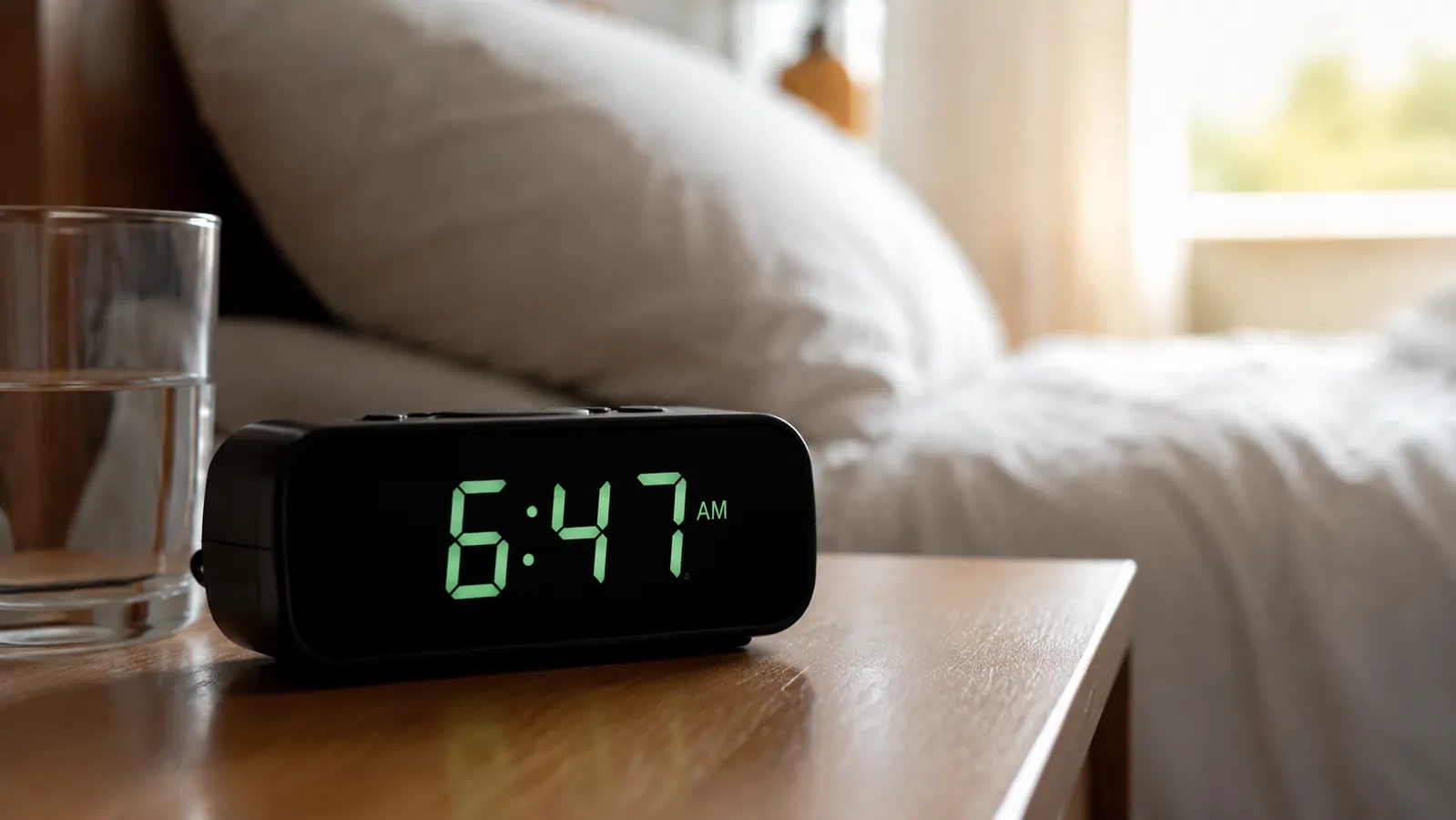
The first night I used it I woke up at 6:03am. I lay there for a moment trying to remember if I'd woken up during the night. I hadn't. I checked my phone to confirm the time. Then I sat up and felt, for the first time in longer than I could clearly remember, like I had actually rested.
Still waking up at 2am with no explanation? The Cottonblue 15lb is what I'd try first.
Rated 4.7 stars by nearly 6,000 buyers. Sherpa and minky reversible. The deep-pressure science is real, and at this price point there is almost no reason not to try it.
Amazon Check Today's Price on Amazon →I won't pretend the first week was perfect. Night three I woke up around 3am, briefly. But it was a shallow surface-level wake-up, the kind where you glance at the clock and go back to sleep in a few minutes, not the kind that pulls you fully alert and keeps you there for two hours. That's a different category of problem. By week two, those light wake-ups had mostly stopped too.
The blanket is warm, which I want to flag for anyone who runs hot. I'm a cold sleeper so it was never an issue for me, but if you already pile on covers at night you might find 15 pounds in sherpa is too much. Cottonblue does make a lighter weight in a cooler cotton fill. Worth checking if warmth is your concern.

Six months on, it's still on my bed every night. I washed it twice with no issues, the fill stayed evenly distributed and nothing shifted or clumped. At this price point I was half expecting the construction to disappoint over time. It hasn't. The bead channels seem solid and the sherpa hasn't pilled the way I feared it might after washing.
My one actual complaint is the size. I have a queen bed and the blanket doesn't quite reach the edges. It covers me fully but if you're used to a blanket that drapes generously over the sides of the mattress, this will feel more like a personal blanket than a bed blanket. That's typical for weighted blankets, since draping weight off the edge defeats the purpose, but it's worth knowing before you expect it to look like a made bed.
What I'd Tell You If We Were Sitting at My Kitchen Table
I spent three years convinced my sleep problem was complicated. I tried the complicated solutions first: the workbook, the supplements, the strict sleep hygiene protocols. Some of them helped at the margins. None of them fixed it the way one weighted blanket did on night one. I'm not saying it will work like that for everyone, and I'm not saying it solves whatever is causing your 2am wake-ups. What I am saying is that at this price, it costs less than one month of the magnesium glycinate I was taking, and the downside of it not working is that you have a very nice blanket. If you've been fighting your sleep for a while and you haven't tried one, try it before you try anything harder. That's the honest counsel I'd give you if we were at my kitchen table. Start here, not at the neurologist's office. You can always escalate if it doesn't work. For a lot of us, it works.
The Cottonblue 15lb is where I'd start. Still budget-friendly, and the 5,970 reviews back it up.
If you've tried everything else and haven't tried a weighted blanket, this is the one I'd hand you. Read the full 90-day review if you want more detail on ingredients, washing, and who it's best for.
Amazon Check Today's Price on Amazon →