
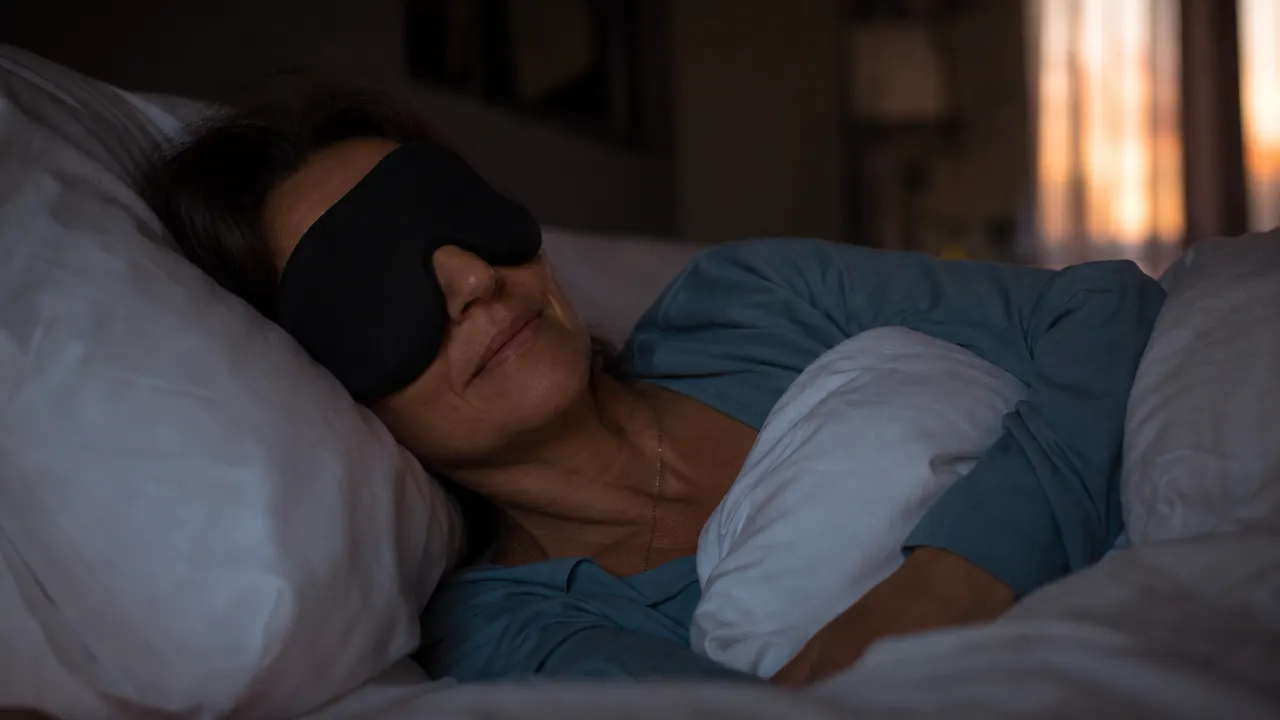
I spent most of my thirties waking up at irregular hours for reasons I couldn't name. A twitch, a shadow, a noise. It took an embarrassingly long time for me to realize that the little orange standby light on our air purifier, the sliver of street light between the curtains, and the pre-dawn sky creeping in by 5:15am were all working against me every single night. Light wakes light sleepers. That's not a character flaw, it's physiology. And a quality blackout sleep mask, specifically the Manta Original Sleep Mask, is the cheapest and most immediate fix I've found in years of trying. Here are the ten reasons it works.
These aren't marketing bullet points. They're the actual mechanisms behind why light disrupts sleep and why blocking it makes a measurable difference. I've tried blackout curtains, sleep tapes over LED indicators, an eye pillow, and finally a properly designed contoured mask. If you're a light sleeper, read this before buying anything else.
Still waking at every light shift? The Manta mask blocks 100% of ambient light with zero lash pressure.
4.5 stars across 15,000+ reviews. Adjustable eye cups, adjustable strap. The mask that finally made my 5am wake-up a non-issue.
Amazon Check Today's Price on Amazon →Even Small Amounts of Light Suppress Melatonin
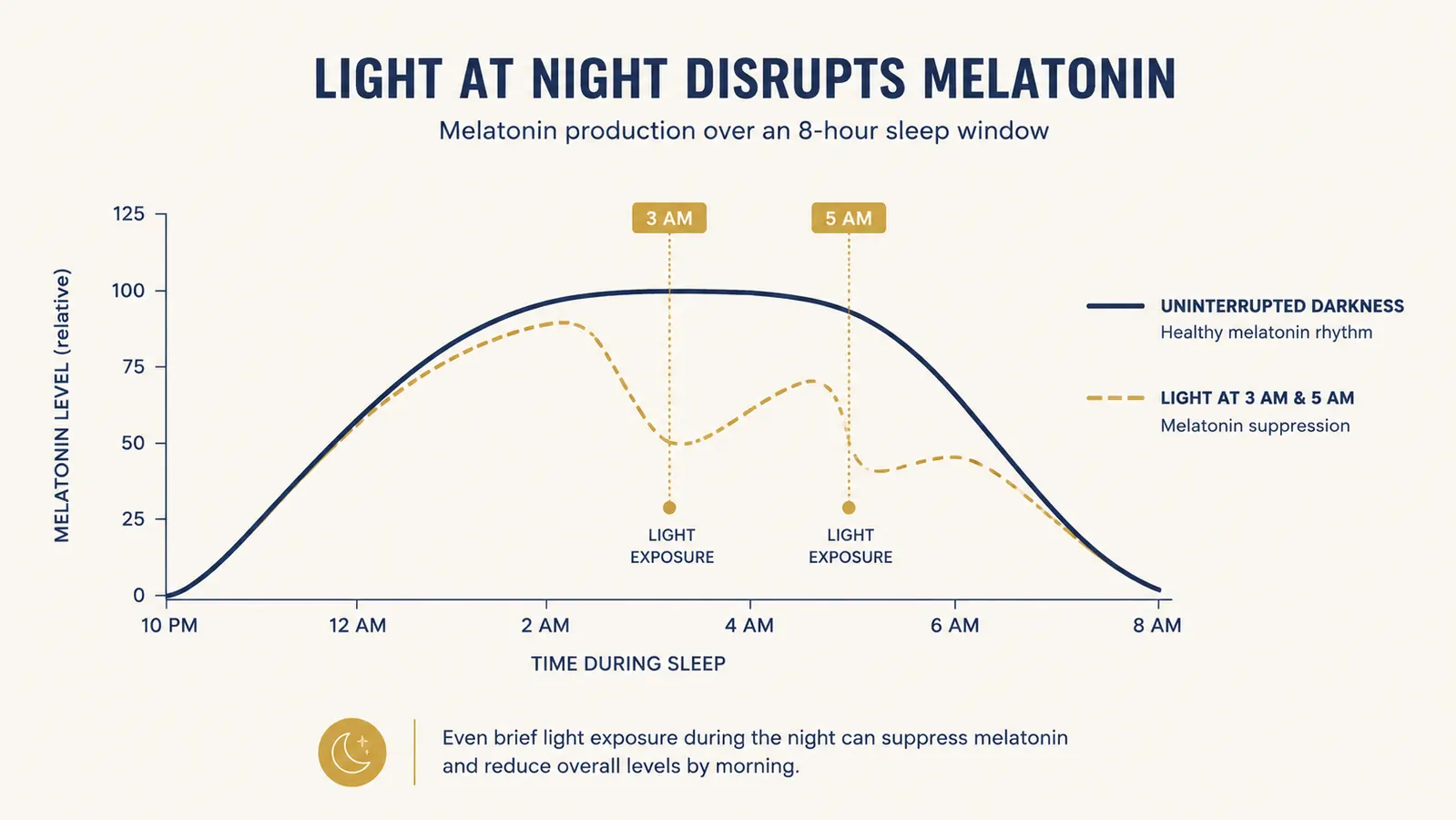
You don't need a spotlight to interrupt sleep chemistry. A 2011 Harvard study found that room light before bedtime suppressed melatonin by about 71% compared to dim light, and shifted melatonin onset by 90 minutes. The same suppression effect continues while you sleep if light reaches your closed eyelids. A blackout mask removes the input entirely. Your brain stops hedging and commits to the sleep state.
Your Eyes Detect Light Even Through Closed Lids
This one surprised me when I first read it. Photoreceptors in the retina, particularly intrinsically photosensitive retinal ganglion cells, respond to light even when your eyes are shut. Your eyelids filter some wavelengths but don't block blue or green light effectively. Which is why sleeping near a phone charging indicator on a blue LED is worse than sleeping near a red one. A proper blackout mask cuts all wavelengths, not just the visible spectrum you'd notice if you were awake.
Blackout Curtains Miss the Edges
I have blackout curtains. They're good curtains. They still let a blade of morning light in along the bottom rod gap, and another sliver at the center where the two panels meet. By 6am in summer those two slivers are bright enough to read by, pointing directly at my face. A sleep mask doesn't have edges. It seals at your temple and nose bridge. The Manta specifically uses a mold-able nose piece that most reviewers, myself included, find eliminates the nose-bridge light bleed that cheaper masks let through.
It Works in Every Room, Not Just Yours
This is underrated. Blackout curtains are fixed to a window. A sleep mask goes in your carry-on. If you're a light sleeper who travels and you rely on hotel blackout curtains (which, if you've stayed in a mid-range hotel recently, are genuinely optimistic pieces of fabric), you know the problem. I started packing my Manta mask for every trip after waking up to a 6am sun shaft in a Boston hotel room in March. March. That should be illegal.
Contoured Cups Don't Press on Your Lashes
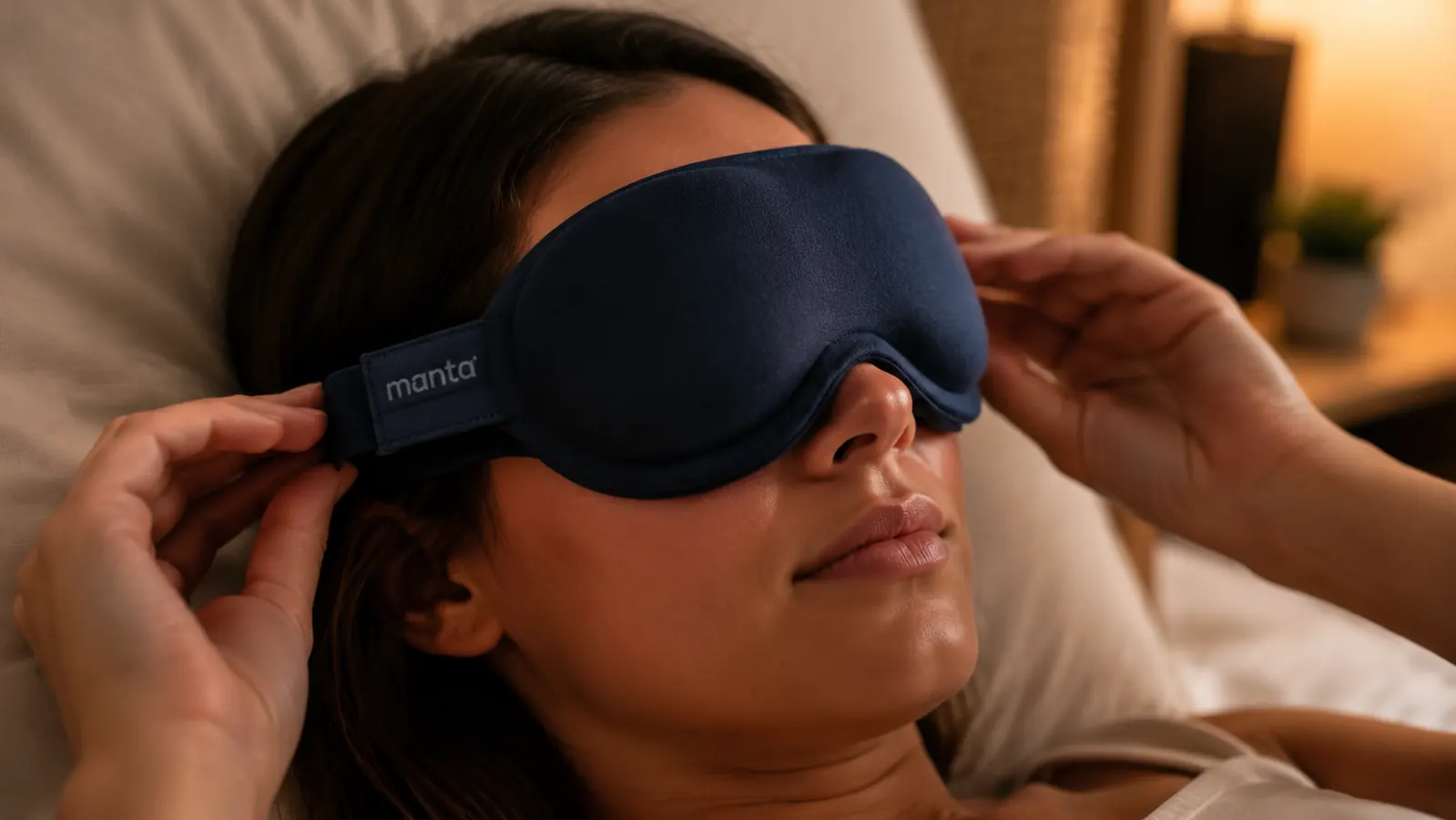
The reason most people give up on sleep masks is the lash pressure. Flat masks sit directly on your eyelids. By 3am they've shifted, they're pressing on your eyes, you pull them off half-asleep, and then the room light finishes the job. Contoured 3D masks like the Manta create a small dome over each eye so nothing touches your lashes at all. You can blink freely inside them. It sounds minor until the first night you wear one and realize you forgot you had it on, which is the whole point.
Total Darkness Helps You Spend More Time in Deep Sleep
Light exposure has been linked in multiple polysomnography studies to reduced slow-wave (deep) sleep and increased micro-arousals. Micro-arousals are tiny wakefulness events you often don't remember but which fragment sleep architecture. You wake up feeling like you slept eight hours but feel like you slept five. Eliminating the light stimulus reduces the frequency of these arousals. The result isn't just longer total sleep, it's better quality sleep in the hours you already have. If you want the longer read on this, the Manta sleep mask review covers what 45 nights of tracked data showed me.
It Signals Your Brain That Sleep Time Is Serious
There's a behavioral conditioning angle here that doesn't get enough credit. When you put on a sleep mask every night at the same time, you're layering a physical cue on top of your sleep routine. Sleep researchers call this stimulus control therapy, and it's one of the legitimate behavioral interventions in CBT-I (cognitive behavioral therapy for insomnia). The mask becomes a trigger. Your brain starts associating it with sleep onset, the same way a pitch-dark room does. Except you carry it with you.
It Helps When Your Partner Keeps Different Hours
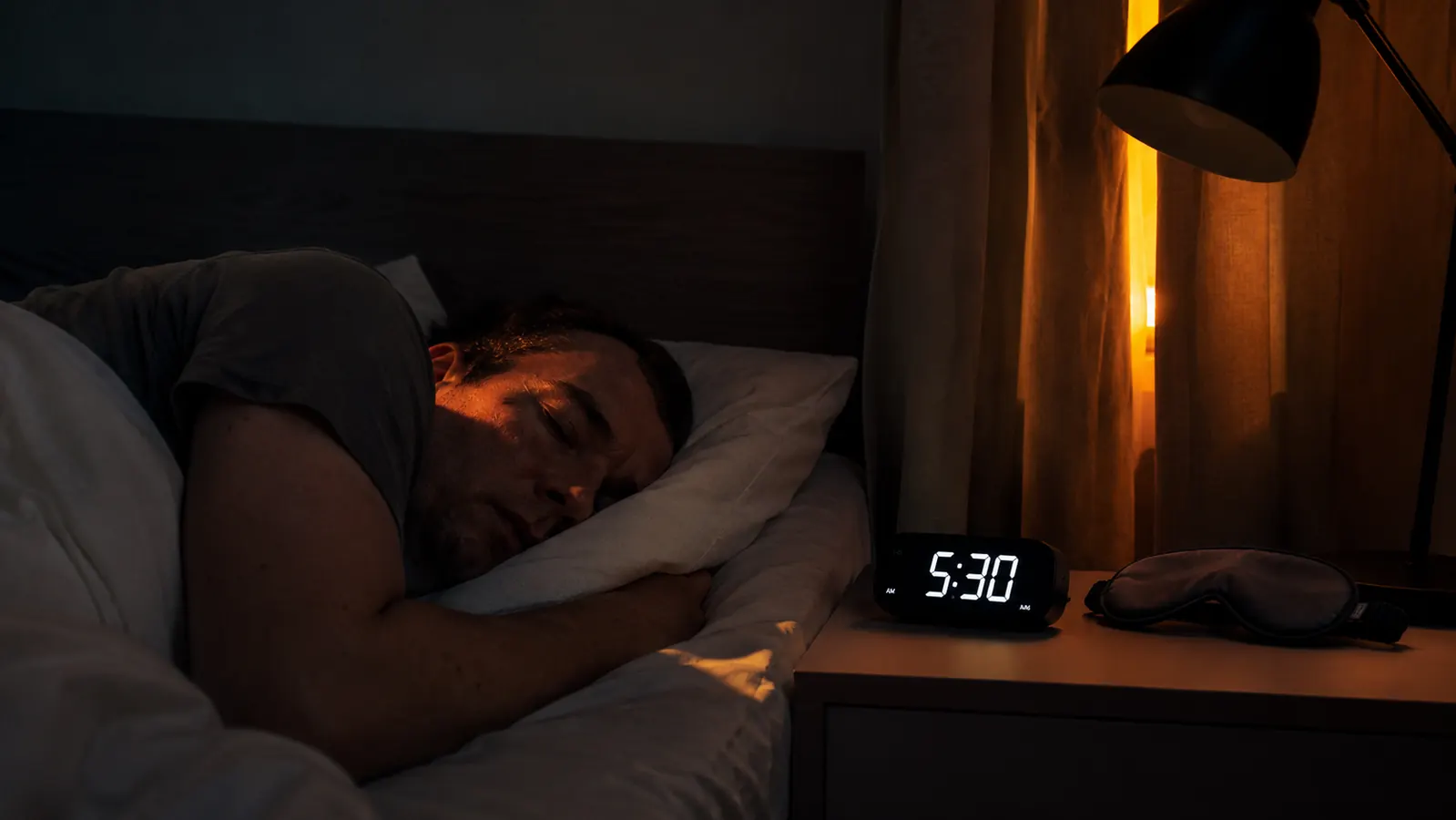
You go to bed at 10. Your partner reads until midnight with the bedside lamp. Or they're up at 5:30am and the overhead light goes on. You can't realistically ask someone to live in the dark around your sleep schedule indefinitely. A sleep mask is the polite, practical compromise that doesn't require the other person to change anything. This was actually the first reason I started using one. The deep-sleep science was a pleasant bonus.
The Adjustable Strap Means It Actually Stays On
Cheap sleep masks slide off during the night because their elastic is sized for an average head and can't be tuned. The Manta uses a wide hook-and-loop strap that you can dial in precisely, and the eye cups slide along a track independently so you can center them for your face geometry. I have a narrower face than the default position accounts for. Took about thirty seconds to adjust both cups inward. It has not moved since. For something you're trusting to stay in place for eight hours, adjustability matters more than any fabric specification.
It Costs Less Than One Bad Night's Productivity
A Manta mask is currently at a reasonable price point. A single night of fragmented sleep measurably reduces cognitive performance, reaction time, and emotional regulation the following day. If you've ever tried to have a useful meeting or write anything coherent on four hours of interrupted sleep, you understand the math. This is one of those purchases that pays for itself in the first week and then quietly saves you from yourself every night afterward. I wrote more about the first month in this personal account, if you want the less-clinical version.
What I'd Skip
Flat foam masks with fixed elastic. They're cheap and they feel like it by hour three. The foam compresses, the elastic stretches out of shape after a week of washing, and nothing about them stays where you put it. If you want to try a sleep mask and have genuinely never worn one, a flat mask will tell you whether you can tolerate having something on your face at night. But if you already know you can and you're reading this because your current one keeps failing, go straight to a contoured option. The price gap between a bad mask and a good one is modest. That's one cup of coffee a day for three weeks.
I stopped blaming my sleep for being light and started blaming the room for being bright. One affordable mask later, I'd solved a problem I'd been misattributing for a decade.
Ready to stop letting ambient light manage your sleep schedule for you?
The Manta Original is what I use nightly. 4.5 stars, 15,000+ reviews, adjustable eye cups that don't press your lashes, and a strap that stays put all night. Budget-friendly.
Amazon Check Today's Price on Amazon →